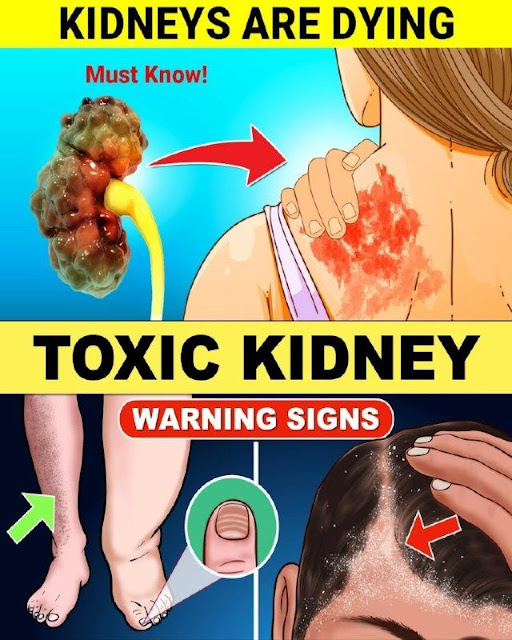
When kidneys can’t remove waste and excess phosphorus, toxins build up in the blood, causing severe, unrelenting itchiness—often on the back, arms, or legs.
5. Metallic Taste in Mouth or Ammonia Breath
Known as “uremic fetor,” this occurs when waste accumulates in the blood (uremia). Food may taste off, and you might lose appetite or feel nauseous.
6. Shortness of Breath
Fluid buildup from poor kidney function can collect in the lungs. Anemia (from low red blood cells) also reduces oxygen delivery, making you feel winded—even at rest.
7. Muscle Cramps or Leg Twitches
Electrolyte imbalances (like low calcium, high potassium, or low sodium) caused by kidney dysfunction can trigger painful cramps, spasms, or restless legs.
8. High Blood Pressure That’s Hard to Control
Kidneys and blood pressure are deeply linked. Damaged kidneys can’t regulate fluid and hormones properly, causing hypertension—which, in turn, further damages the kidneys. It’s a dangerous cycle.
9. Nausea, Vomiting, or Loss of Appetite
As toxins build up in the bloodstream, your digestive system reacts. Many people mistake this for a stomach bug—but if it’s ongoing, kidney issues could be the root cause.
⚠️ Important: Some people have no symptoms at all in early stages. That’s why testing matters—even if you feel fine.
🩺 Key Tests to Catch Kidney Disease Early
Don’t wait for symptoms. If you have risk factors (diabetes, high blood pressure, family history, or are over 60), ask your doctor for these two simple, life-saving tests:
- eGFR (Estimated Glomerular Filtration Rate)
- A blood test that measures how well your kidneys filter waste.
- Normal: ≥90 mL/min
- Stage 3 CKD (moderate): 30–59 → Time to act!
- <15: Kidney failure (may need dialysis)
- Urine Albumin-to-Creatinine Ratio (UACR)
- Checks for albumin (a protein) in your urine. Healthy kidneys don’t leak protein.
- Normal: <30 mg/g
- ≥30: Early sign of kidney damage (even if eGFR is normal)
💡 Bonus: A basic metabolic panel (BMP) can show high creatinine or BUN—other clues of kidney stress.
🛑 How to Avoid Dialysis: 5 Proactive Steps
While advanced kidney failure may require dialysis, early-stage chronic kidney disease (CKD) can often be slowed or stabilized:
- Control Blood Sugar (If Diabetic)
High glucose damages kidney filters. Aim for A1C <7% (or as advised by your doctor). - Manage Blood Pressure
Target: <130/80 mmHg. ACE inhibitors or ARBs are often prescribed—they protect kidneys beyond just lowering BP. - Follow a Kidney-Friendly Diet
- Reduce sodium (<2,300 mg/day)
- Moderate protein (too much stresses kidneys)
- Limit phosphorus (processed foods, sodas) and potassium (if levels are high)
- Work with a renal dietitian for personalized plans
- Avoid Nephrotoxic Substances
- NSAIDs (ibuprofen, naproxen)—even occasional use can harm kidneys
- Certain antibiotics, contrast dyes, and herbal supplements (e.g., aristolochic acid)
- Always tell providers you have kidney concerns before procedures or new meds
- Stay Hydrated (But Not Overhydrated)
Water helps kidneys flush toxins—but forcing excessive fluids can backfire in later stages. Listen to your body and follow medical advice.
❓ Frequently Asked Questions
Q: Can kidneys heal themselves?
A: Mild, acute kidney injury (from dehydration or meds) can often reverse. But chronic kidney disease (CKD) is usually progressive—though its speed can be dramatically slowed with early action.
Q: How fast does kidney disease progress?
A: It varies. With controlled diabetes/BP, many stay in Stage 2–3 for decades. Without management, it can advance rapidly.
Q: Is dialysis inevitable?
A: No. Many people with early CKD never reach dialysis. Stage 3 is a critical window—lifestyle changes here make the biggest difference.
Q: Should I take kidney supplements?
A: Avoid “detox” or herbal kidney cleanses—many are unsafe. Focus on whole foods, prescribed meds, and proven strategies instead.
❤️ Your Kidneys Deserve Attention—Before It’s Too Late
You don’t have to wait for a crisis to protect your kidney health. If you notice any of these signs—or have risk factors—talk to your doctor about kidney testing this week.
Early detection isn’t just about labs—it’s about buying time, preserving quality of life, and keeping your body’s silent heroes working as long as possible.
Because dialysis isn’t failure—it’s a lifeline. But with awareness and action, you may never need to reach for it.
Have you or someone you love experienced kidney issues?
Share your story or questions below—your experience could help someone else recognize the signs. And if this article opened your eyes, please pass it on. Early awareness saves kidneys… and lives. 💙
