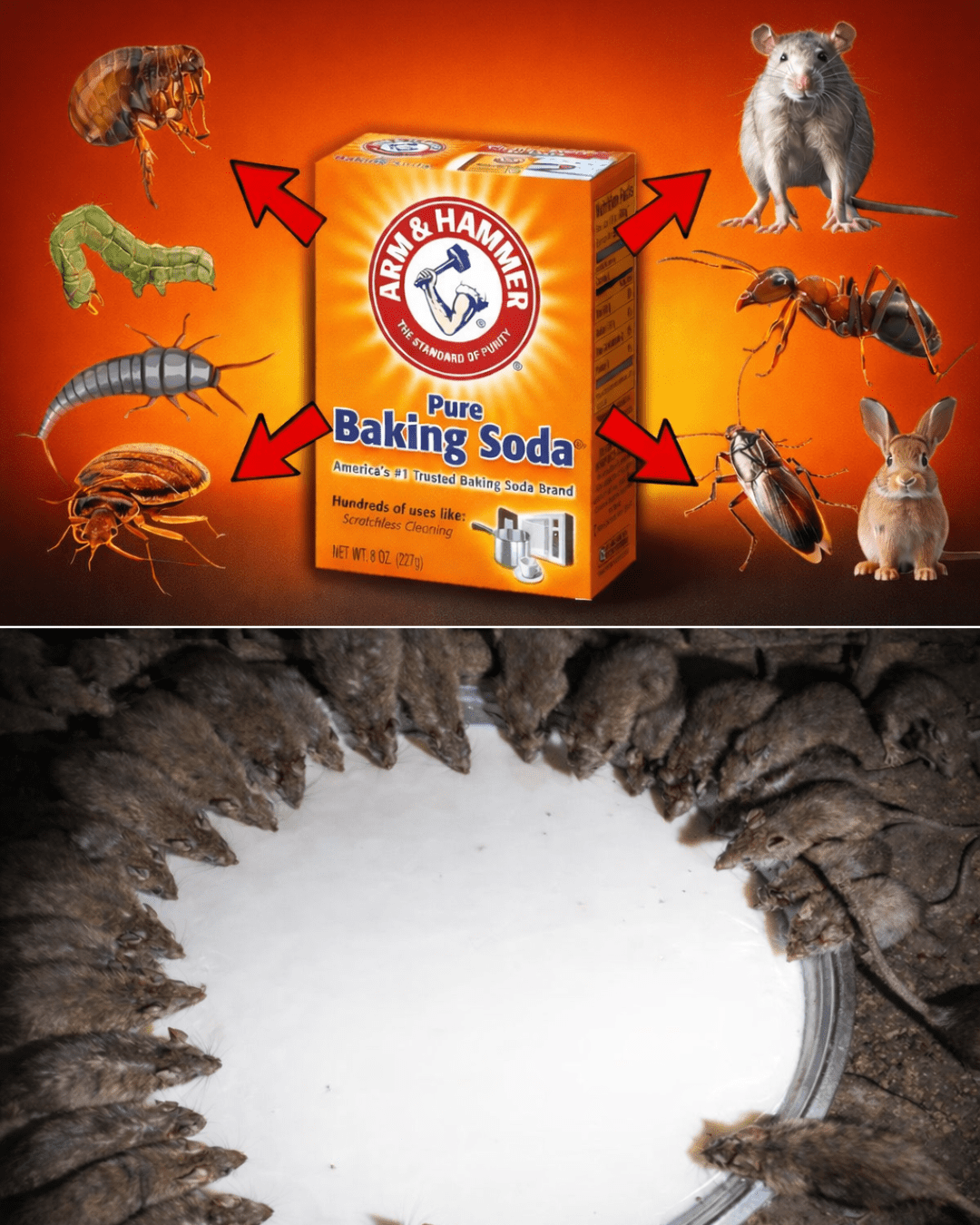
Spotting a cockroach darting across your kitchen counter or discovering ant trails snaking toward your pantry can spark immediate frustration and unease in your own home. These unwelcome invaders not only disrupt your peace but can also spread bacteria, trigger allergies, or cause sleepless nights with their persistent presence. Many homeowners turn to baking soda as a simple, affordable kitchen staple for potential pest control, hoping for a non-toxic alternative to harsh chemicals. While anecdotal reports and DIY enthusiasts share stories of success, experts emphasize that baking soda offers limited, variable results depending on the pest. Curious about what might actually work—and where it falls short? Let’s explore the popular baking soda methods thoughtfully, backed by user experiences and available insights.

Why Homeowners Explore Baking Soda for Pest Control 

Dealing with pests like cockroaches, ants, bed bugs, or mice often feels overwhelming, especially when you want to avoid strong pesticides around children or pets. Baking soda appeals because it’s inexpensive, readily available, and generally low-toxicity—making it an attractive first step for minor issues.
The basic theories? When ingested, baking soda can react with stomach acids to produce gas that some pests struggle to release, or it may absorb moisture on contact. However, results vary widely. Research and pest control professionals note that while baking soda might deter or affect individual pests in some cases, it’s rarely a complete solution. Sanitation, sealing entry points, and consistent efforts often matter more than any single remedy.
How Baking Soda Might Work Against Pests: The Theories Explained

Baking soda’s potential in pest control stems from two main ideas. First, ingestion: Mixed with an attractant, it could cause internal gas buildup in pests that can’t burp or fart effectively. Second, dehydration: Sprinkled dry, it might absorb oils from exoskeletons, drying out crawlers.

These concepts sound promising, but real-world effectiveness depends on the pest’s biology and behavior. Many reports are anecdotal, with limited scientific studies. For instance, some lab observations support gas buildup in certain insects, but field results remain inconsistent. Baking soda can complement other habits, yet it’s no match for professional methods in heavy infestations.
Popular Baking Soda Methods for Specific Pests

Homeowners have shared various baking soda approaches online. Here’s a breakdown of common ones, starting with those showing the most anecdotal promise.
Sugar and Baking Soda Bait for Cockroaches
One of the most discussed methods involves mixing equal parts baking soda and sugar. The sugar lures cockroaches, while the baking soda reportedly causes fatal gas buildup after ingestion and water intake.
Many DIYers report fewer sightings over weeks when placing small piles in hidden spots. Keep mixtures dry for best attraction. That said, cockroaches may avoid it if better food sources exist, and it’s slower than commercial options.
Onion or Peanut Butter Mix for Cockroaches
Adding chopped onion or peanut butter to baking soda enhances scent appeal. The strong odors draw roaches in, potentially increasing consumption.
Users often place these in jar lids under sinks or behind appliances. Anecdotes vary—some see reductions, others minimal change. Refresh baits regularly and combine with thorough cleaning.

Powdered Sugar Blend for Ants
For ants, combine equal parts baking soda and powdered sugar along trails. Workers carry the mix back to the colony, theoretically spreading effects.
Some notice reduced activity within days. However, ants can detect off tastes and detour. This works best for sugar-loving species; avoid moisture, which clumps the powder.
Flour or Sugar Bait for Mice and Rats
Mix baking soda with flour, sugar, or peanut butter for rodents. The theory: They ingest it but can’t expel gas, leading to internal issues.
Stories of success circulate, especially in garages or attics. Place in tamper-resistant spots. Experts highlight humane concerns and recommend monitoring pets closely.
Sprinkling Powder as a Barrier
Dusting baking soda along baseboards or entry points aims to repel or dehydrate crawlers like ants or fleas.
A few report minor deterrence. Vacuum regularly to remove debris. Evidence for strong barrier effects remains weak.
Paste or Powder for Bed Bugs
Spreading baking soda on mattresses or crevices hopes to absorb moisture from bed bugs.
Unfortunately, experts widely agree this doesn’t work reliably. Bed bugs don’t ingest bait, and powder doesn’t dehydrate them effectively—they simply walk through it.

Comparing Baking Soda Approaches Across Common Pests

| Pest | Common Baking Soda Method | Potential Mechanism | Notes from Experiences and Experts |
|---|---|---|---|
| Cockroaches | Sugar + Baking Soda | Gas buildup | Most anecdotal success; slow, keep dry |
| Ants | Powdered Sugar Mix | Colony disruption | Variable; better for sweet-seeking ants |
| Bed Bugs | Sprinkled Powder | Dehydration claim | Largely ineffective; no strong evidence |
| Mice/Rats | Flour/Sugar/Peanut Butter Bait | Gas inability | Some reports; humane and pet safety concerns |
Outcomes differ greatly—baking soda may help mildly but rarely eliminates infestations alone.
