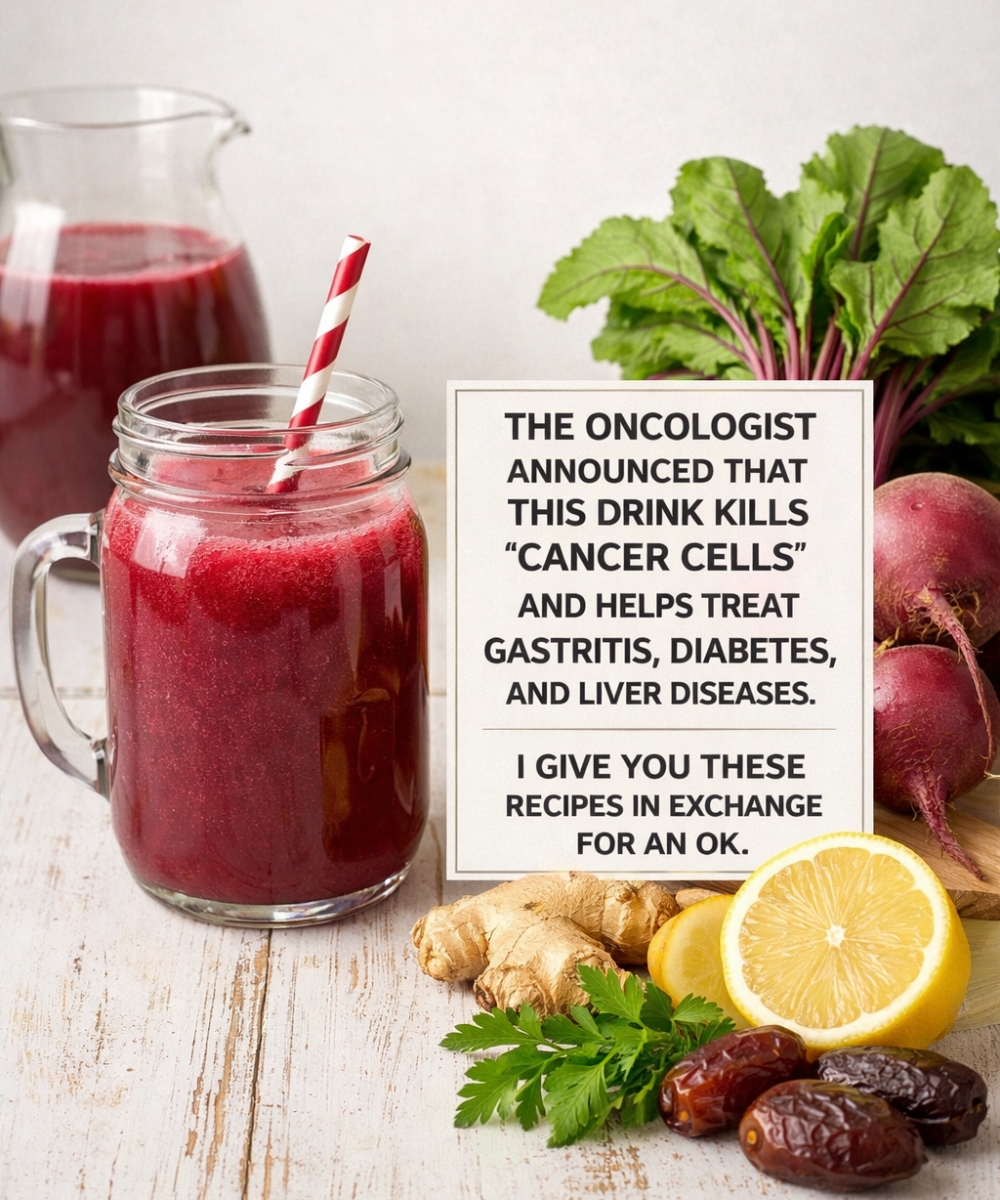
eetroot juice has exploded in popularity across health blogs and social media, often paired with dramatic claims about “killing cancer cells” or curing chronic diseases in a matter of weeks. While those headlines grab attention, the real story is more nuanced—and far more useful if you care about your health.
So what does beetroot juice actually do? Let’s look at what science supports, what it doesn’t, and how this deep-red drink can realistically fit into a healthy lifestyle.
Why Beetroot Juice Gets So Much Attention
Beets are rich in betalains (powerful antioxidants), nitrates, fiber, vitamin C, folate, and potassium. These compounds are linked to:
Reduced oxidative stress
Better blood flow and circulation
Support for heart and metabolic health
Anti-inflammatory effects
This impressive nutrient profile is why beetroot juice is often called a “functional food” rather than just a vegetable drink.
Can Beetroot Juice Kill Cancer Cells?
Short answer: No food or drink can cure cancer.
Some laboratory studies show that beet compounds (especially betalains) can slow the growth of certain cancer cells in test tubes or help reduce oxidative damage. That’s interesting—and promising for future research—but it’s not the same as curing cancer in humans.
