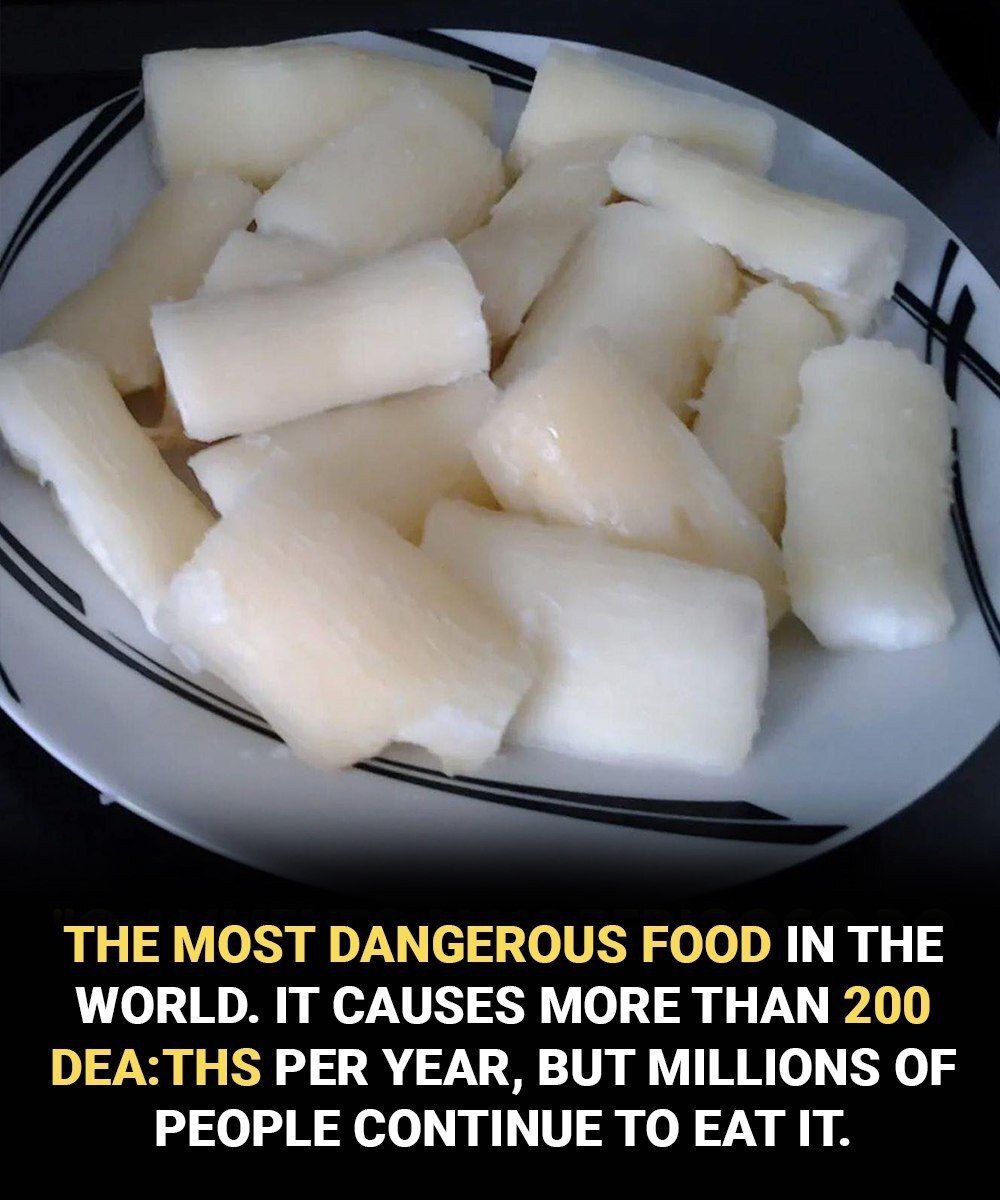
Why Cassava Poisoning Still Happens in Some Parts of the World
Most of the serious problems linked with cassava happen in places facing hardship and food insecurity, not in well-equipped home kitchens. Poisoning has been reported in areas where people have very little fuel, limited clean water, or no other choice of food.
Situations that increase the risk include:
- Lack of fuel or water for cooking
If there is not enough wood, gas, or clean water, families may shorten soaking and cooking times to save resources, leaving more of the toxic compounds in the root. - Famine or emergency harvests
In times of drought, war, or crop failure, people may dig up cassava roots that are not fully mature or skip the usual preparation steps simply because they are hungry and desperate. - Loss of traditional knowledge
In many cultures, elders pass down careful methods for soaking, fermenting, and cooking cassava. When those traditions are lost or rushed, the protections they offer can disappear too.
For most readers in the United States, cassava products (such as tapioca, frozen cassava, or preprocessed flours) are typically sold already processed and safe when cooked according to package directions. The most severe problems arise where cassava is a daily staple and people are forced to cut corners just to get by.
