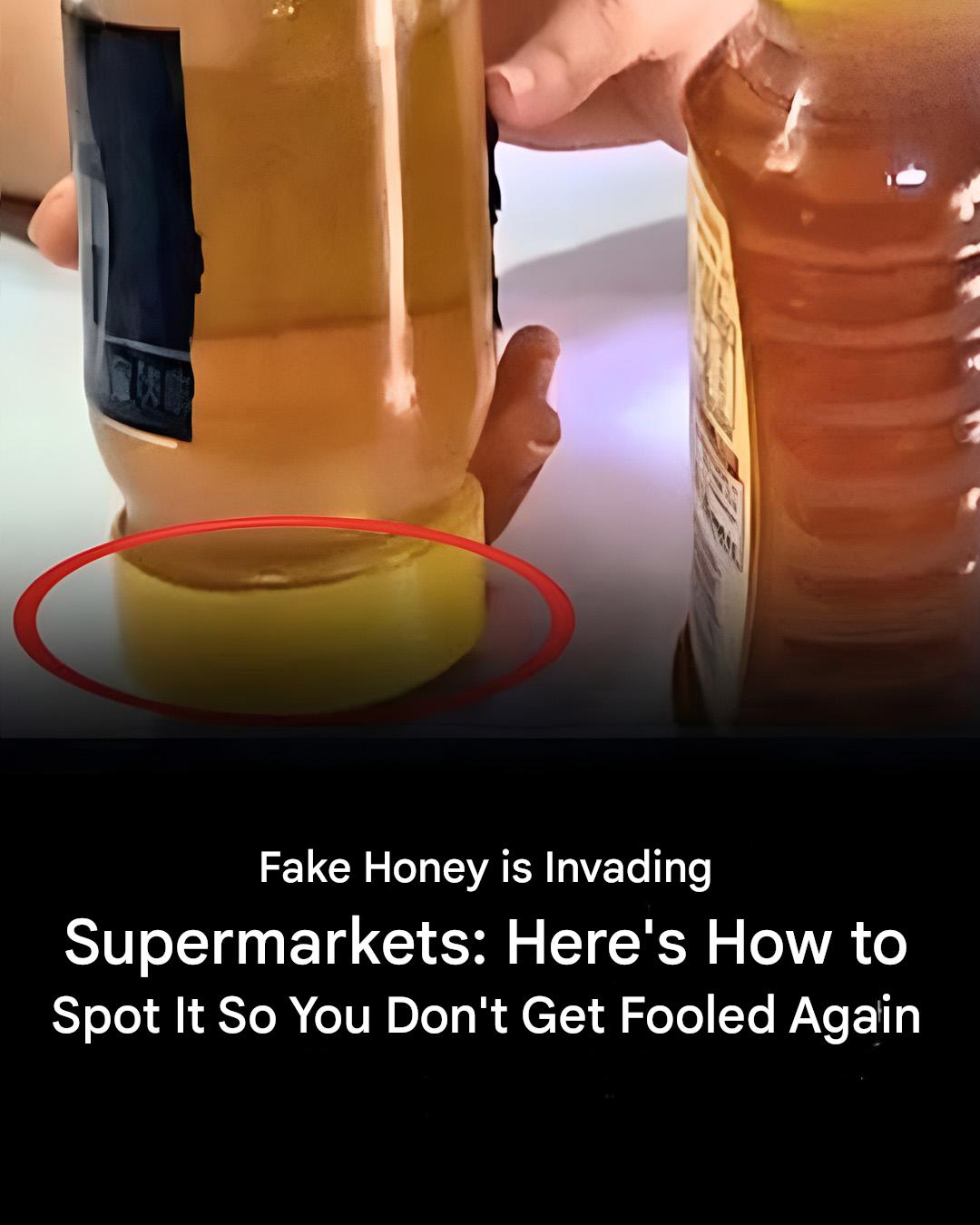
Can you spot fake honey at home?
Online, home remedies for detecting fake honey are proliferating . But how effective are they really? Here are a few, analyzed with a critical eye.
The towel test
Pure honey would not spread, unlike fake honey.
Partially true: this can reflect a high water content, but some natural honeys are more fluid. This test alone is not sufficient.
The hexagon test
Underwater, real honey supposedly forms honeycomb patterns.
False: there is no scientific basis for this. Honey, pure or not, dissolves slowly, without any particular patterns.
Ants would hate real honey
They would flee from pure honey.
Incorrect: ants like sugar, whether it is in natural honey or not.
The density test
Pure honey would be thicker, dissolve slowly, and form a stable air bubble.
Sometimes true: this can indicate good quality, but not all honeys have the same texture.
The verdict: can we really trust our senses?
Unfortunately, none of these methods offers an absolute guarantee. Adulteration techniques have become so sophisticated that it is difficult to detect fake honey with the naked eye. Honey, like olive oil or milk, is among the foods most susceptible to counterfeiting .Groceries
How to choose a quality honey?
Here are some practical tips to avoid the pitfalls:
Read the labels carefully : avoid vague statements like « blend of honeys originating and not originating in the EU » .
Opt for short supply chains : buy directly from local beekeepers.
Look for reliable labels : such as IGP , Label Rouge or AB .
Beware of prices that are too low : quality honey has a cost, like any product resulting from artisanal know-how.
Honey is a natural treasure… but sometimes, this treasure is just a well-made imitation . Let’s remain vigilant, trust the beekeepers in our region, and ask questions. Because behind a simple jar of honey often lies a whole story about bees… or questionable practices.
