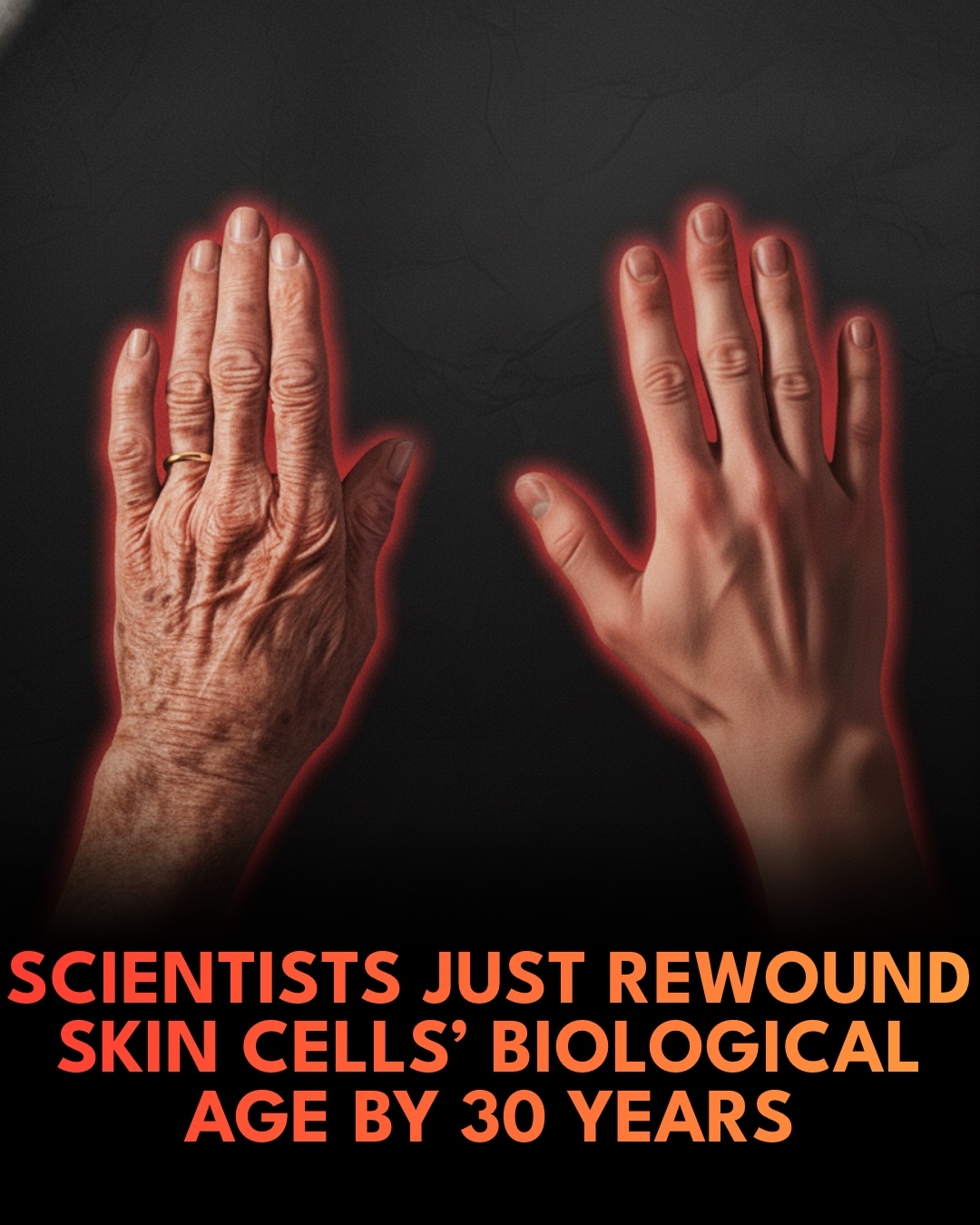
Crucially, the younger-looking cells also acted younger. The rejuvenated fibroblasts produced more collagen, a key protein that helps skin stay firm and heal after injury, and they moved more quickly to close an artificial “wound” in a lab dish than untreated older cells. The researchers also saw age-related changes reversing in genes linked to conditions like Alzheimer’s disease and cataracts, hinting at wider medical potential. Although this work is still at an early stage and the underlying mechanisms are not fully understood, it suggests that in the future scientists may be able to selectively refresh aging cells to improve tissue repair and possibly delay some effects of age-related disease, without completely resetting cells to a stem cell state.
References (APA style)
Babraham Institute. (2022, April 😎. Old skins cells reprogrammed to regain youthful function. ScienceDaily.
Gill, D., Parry, A., Santos, F., Okkenhaug, H., Todd, C. D., Hernando-Herraez, I., Stubbs, T. M., Milagre, I., & Reik, W. (2022). Multi-omic rejuvenation of human cells by maturation phase transient reprogramming. eLife, 11. Voir moins
