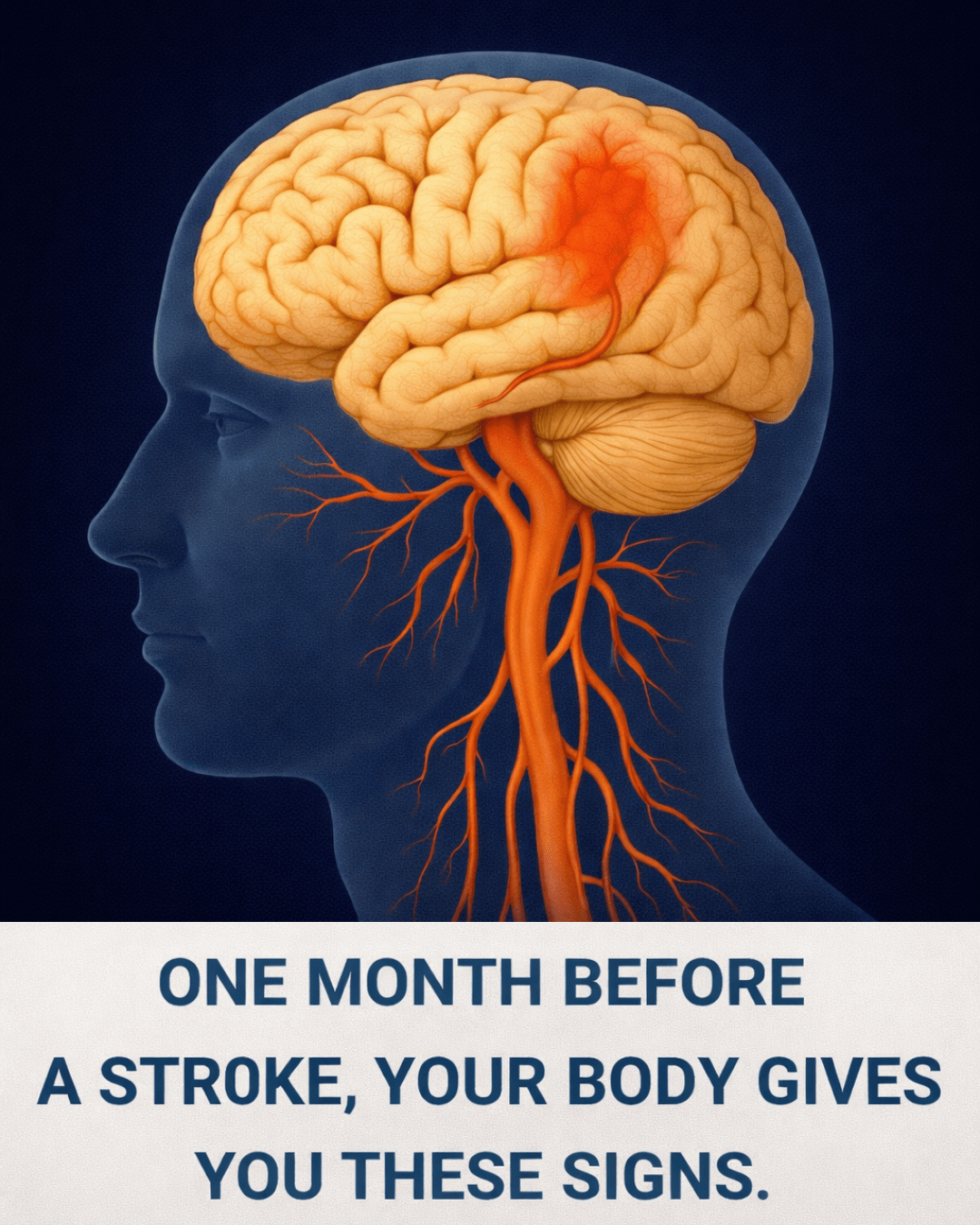
Sudden confusion or difficulty speaking: when it’s more than just fatigue
- Sudden numbness or weakness, especially on one side of the face, arm, or leg
- Sudden trouble seeing in one or both eyes, like blurred or double vision
- Sudden dizziness, loss of balance, or difficulty walking/coordinating movements
- Sudden severe headache with no known cause (sometimes called a “thunderclap” headache)
These symptoms strike suddenly and often persist, unlike gradual fatigue. Ignoring them heightens the chance of lasting impairment.
 Transient Ischemic Attack (TIA): The “Mini-Stroke” Warning
 Transient Ischemic Attack (TIA): The “Mini-Stroke” Warning
A TIA causes stroke-like symptoms that resolve within minutes to hours because blood flow restores quickly—no permanent damage shows on imaging. Yet TIAs are serious: recent studies, including long-term data from JAMA Network, show the risk of a full stroke remains elevated for years after a TIA. While 90-day post-TIA stroke rates have dropped in recent decades (thanks to better management), the long-term hazard persists, with cumulative risks reaching around 12-20% over 5-10 years in some analyses.
Treating a TIA as a medical emergency—like a full stroke—can prevent worse events through medications, lifestyle changes, and monitoring.
Sentinel Headaches: A Possible Early Clue in Some Cases
 Sentinel Headaches: A Possible Early Clue in Some Cases
While most strokes lack advance warnings, a 2020 study in The Journal of Headache and Pain found that about 15% of people with ischemic stroke experienced a new or changed severe headache in the week before the event—termed a “sentinel headache.” These weren’t typical migraines but often linked to factors like arrhythmia. Though not common, sudden unusual headaches warrant prompt evaluation, especially with other risks.
Why Every Minute Matters in Stroke Care
 Why Every Minute Matters in Stroke Care
Time lost is brain lost—delays reduce treatment window effectiveness. Guidelines emphasize seeking help immediately for suspected stroke, as early intervention lowers disability risk. Don’t wait to “see if it passes”—call emergency services even for brief or mild symptoms.

How to Respond If You Spot These Signs
 How to Respond If You Spot These Signs
Feeling unsure in the moment? Follow these steps:
- Stay calm and note the exact time symptoms began.
- Use FAST/BE FAST to assess quickly.
- Call emergency services—don’t drive yourself or wait.
- Avoid giving food, drink, or medications unless advised.
- If safe, note any history like high blood pressure, diabetes, or smoking.
These actions give professionals the best chance to act swiftly.
Reducing Your Risk While Staying Vigilant
 Reducing Your Risk While Staying Vigilant
No one can predict every stroke, but managing factors like blood pressure, cholesterol, diabetes, smoking, and physical activity helps. Regular check-ups catch issues early. Awareness of sudden confusion or speech changes empowers you to respond protectively for yourself and loved ones.
Sudden confusion or difficulty speaking isn’t always “just fatigue”—it can signal a life-threatening event where quick action makes all the difference. Share this knowledge; it could save a life.

FAQ
What if symptoms disappear quickly—is it still serious?
Yes—brief episodes may indicate a TIA, which raises future stroke risk. Seek medical evaluation promptly even if symptoms resolve.
Can confusion from stroke mimic other conditions like low blood sugar?
Sometimes, but sudden onset with other signs like one-sided weakness points more to stroke. Always err on the side of caution and get checked.
How can I tell if it’s a stroke versus normal aging or tiredness?
Stroke symptoms are usually sudden and one-sided. Gradual or bilateral changes are less typical—trust your instincts and use FAST to guide action.
This article is for informational purposes only and is not a substitute for professional medical advice. If you suspect a stroke or experience these symptoms, seek immediate emergency care. Always consult your healthcare provider for personalized guidance.
