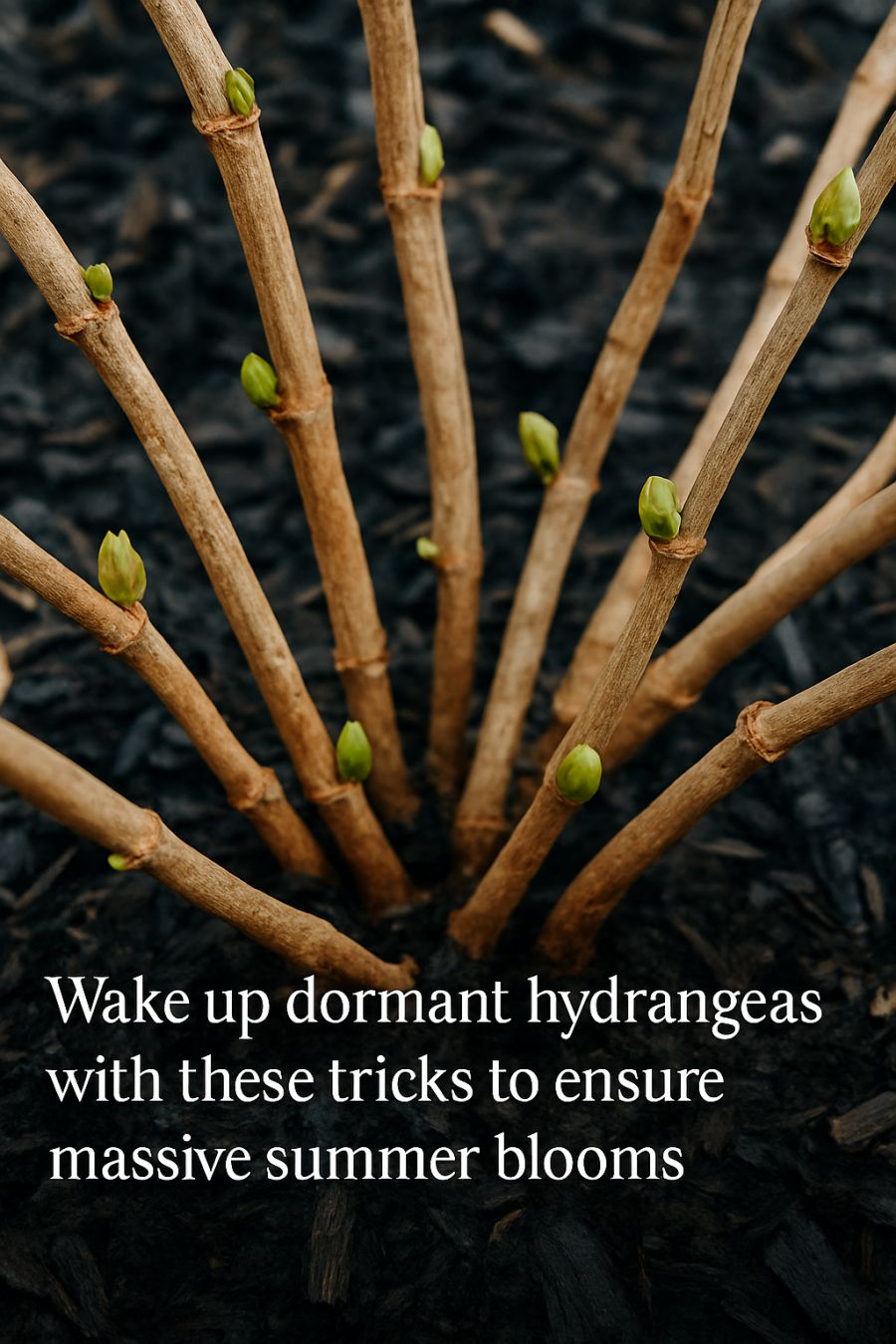
Hydrangeas are beloved for their lush, voluminous blooms that bring vibrant color to gardens throughout the summer. However, as the cold months come to an end, many gardeners find themselves wondering if their hydrangeas will awaken from dormancy to produce the spectacular blossoms they’re known for. Dormancy is a natural part of a hydrangea’s life cycle, and with the right care and attention, you can ensure your plants not only wake up but thrive, rewarding you with massive blooms.
Understanding the specific needs of your hydrangeas is crucial to reviving them from their winter slumber. From assessing whether your plants are truly dormant to implementing the best practices for pruning and fertilizing, this guide will provide you with all the tricks you need to coax your hydrangeas back to life. With these steps, your garden will be bursting with magnificent flowers come summer.
1. Confirm Your Hydrangeas Are Dormant, Not Dead
Before you begin any revival efforts, it’s important to determine whether your hydrangeas are merely dormant or if they have perished. Dormant hydrangeas will have stems that are firm to the touch, even if they appear brown and lifeless on the surface. Check for signs of life by inspecting the base of the plant where new shoots may begin to emerge as temperatures rise.
To further confirm dormancy, inspect the stems for pliability. Bend them gently; a live stem will be flexible and resist breaking. Dead wood will snap easily. Remember that hydrangeas can be late bloomers, so patience is key. By mid-spring, you should see signs of budding if the plant is still alive.
2. Use the Fingernail Scratch Test to Check for Green Life
One simple way to check if your hydrangea is still alive is to perform the fingernail scratch test. Use your fingernail or a small knife to gently scratch the bark on a stem or two. If you see green tissue underneath, the stem is alive, and the plant is likely dormant.
Perform this test on several stems to get an overall idea of the plant’s health. If the scratch test reveals brown or dry tissue, that part of the plant might be dead. In that case, prune away the affected areas to encourage new growth.
3. Prune the Right Way for Your Hydrangea Type
Pruning is essential for hydrangea care, but it must be done according to the type of hydrangea you have. For example, bigleaf hydrangeas (Hydrangea macrophylla) bloom on old wood, so they should be pruned immediately after flowering in the summer. Pruning them in the spring may remove the buds and reduce blooms.
On the other hand, panicle hydrangeas (Hydrangea paniculata) and smooth hydrangeas (Hydrangea arborescens) bloom on new wood. These can be pruned in late winter or early spring before new growth begins. Use sharp, clean pruning shears to remove dead or damaged wood and shape the plant as desired.
continued on next page
