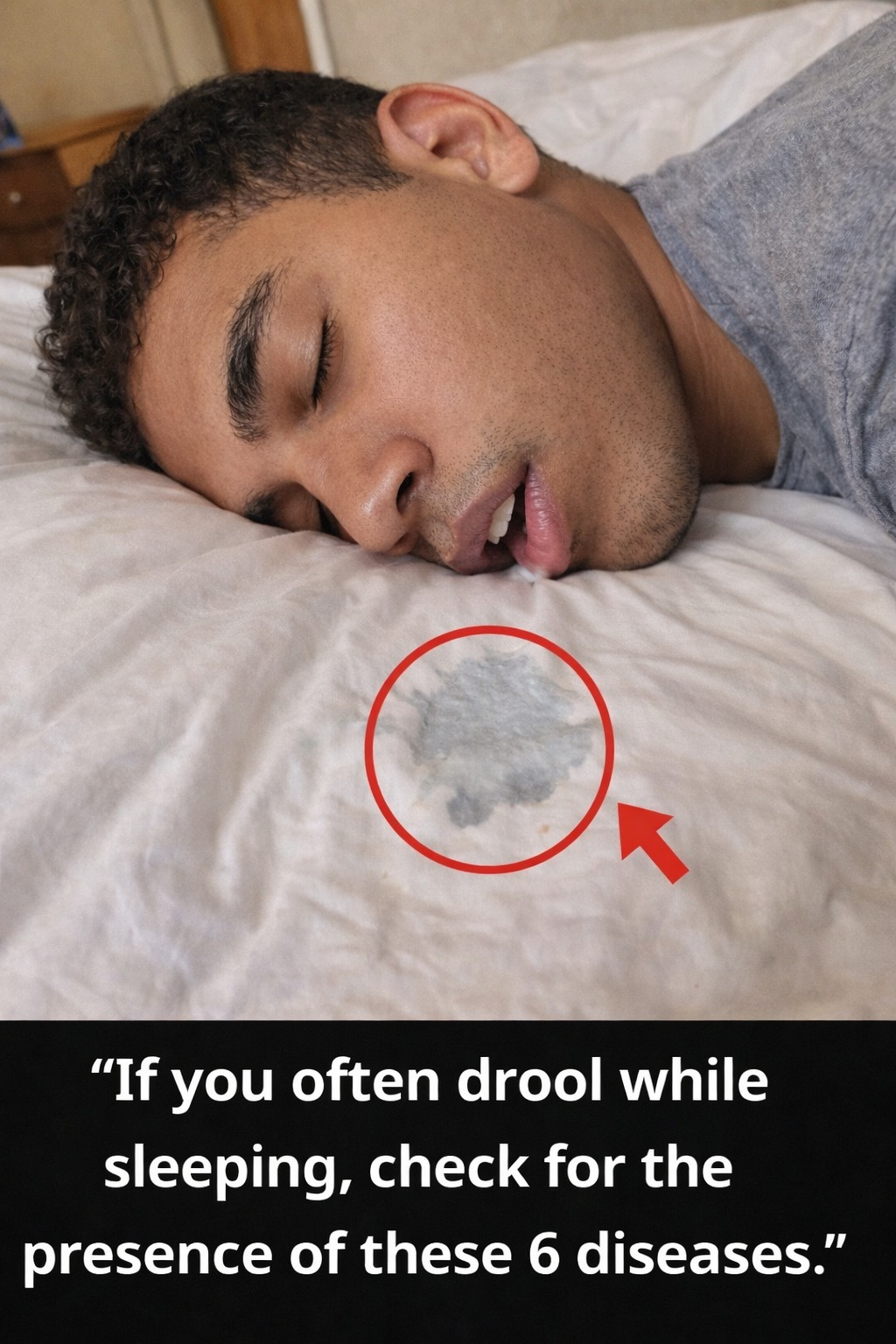
Waking up with a wet pillow, drool stains on your face or sheets, or noticing that your partner mentions you drool a lot at night is surprisingly common. While occasional drooling during sleep is harmless (especially if you’re sleeping deeply or on your stomach), frequent or excessive drooling can signal underlying issues that disrupt normal swallowing, mouth closure, or saliva control during sleep.
Below are the 6 most common reasons adults drool during sleep — ranked from most frequent to less common but more serious — along with what to do next.
1. Sleeping Position (Most Common Cause)
Why it happens
When you sleep on your stomach or side with your mouth open, gravity pulls saliva toward the opening of your mouth. If your facial muscles are relaxed (especially during deep REM sleep), you don’t swallow as frequently, and drool escapes.
Who it affects most
- Stomach or side sleepers
- People who breathe through their mouth at night
What to do
- Try sleeping on your back with a supportive pillow that keeps your head aligned (prevents mouth opening).
- Use a body pillow to discourage rolling onto your stomach.
- If mouth-breathing is the issue → see next point.
2. Mouth Breathing / Nasal Congestion
Why it happens
When your nose is blocked (allergies, sinus infection, deviated septum, chronic rhinitis), you breathe through your mouth → jaw drops open → saliva pools and leaks out. Mouth breathing also dries the mouth, triggering more saliva production as a protective reflex.
Who it affects most
- People with seasonal allergies, chronic sinusitis, or nasal polyps
- Those with a deviated septum or enlarged adenoids/tonsils
What to do
- Use a saline nasal spray or neti pot before bed to clear passages.
- Try nasal strips (Breathe Right) or a nasal dilator.
- If chronic → see an ENT specialist for possible deviated septum, polyps, or allergy testing.
3. Sleep Apnea or Snoring
Why it happens
Obstructive sleep apnea causes repeated airway collapse → mouth falls open to compensate → excessive drooling. Loud snoring and mouth-breathing often go hand-in-hand with drooling.
Who it affects most
- People with excess weight around the neck
- Men over 40, postmenopausal women
- Anyone with loud snoring + daytime fatigue
What to do
